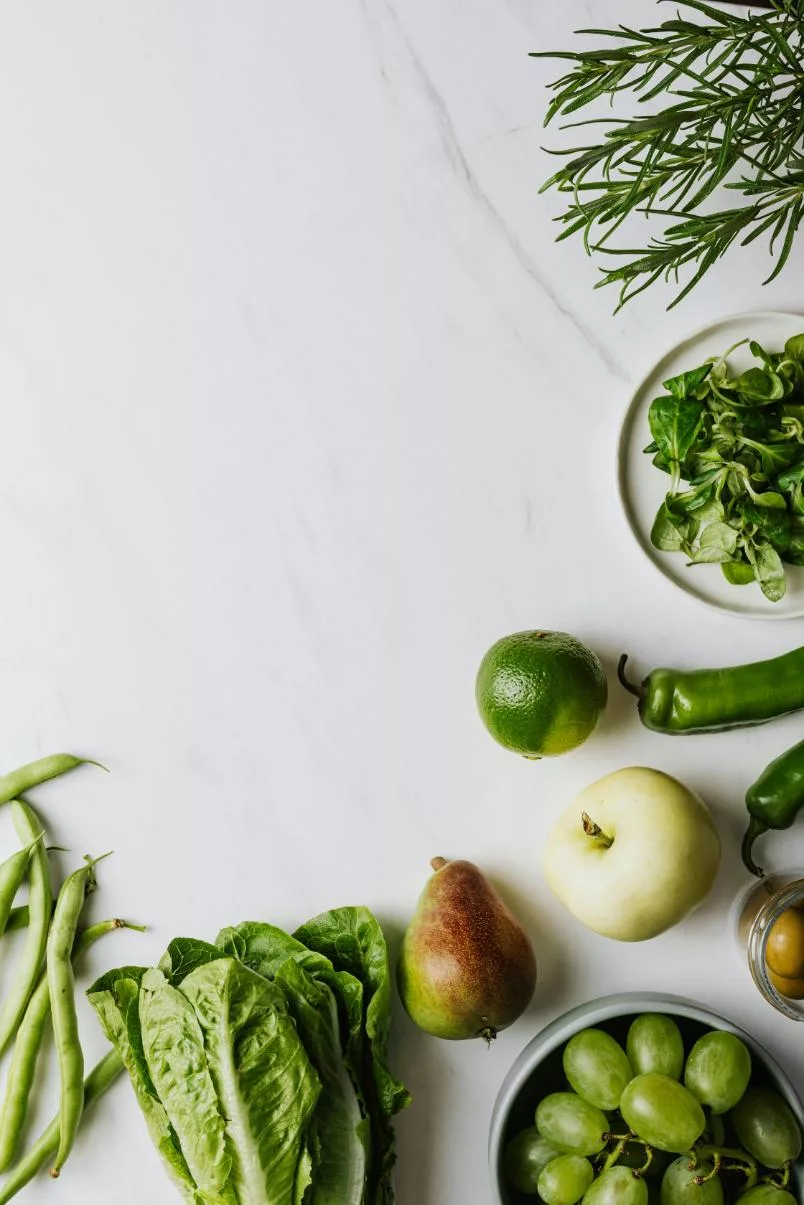
Anti Inflammatory Recipes: Delicious Meals for Vitality and Well-Being

The relationship between food and inflammation has become one of the most explored topics in wellness research. Chronic inflammation—when the body’s natural inflammatory response persists beyond its intended protective purpose—can influence everything from energy levels and joint comfort to digestive function and mental clarity. While many factors contribute to inflammatory responses, nutrition stands out as one area where we have direct, daily influence.
LEGAL DISCLAIMER
The information presented in this article is provided for educational and informational purposes only. It is not intended to be a substitute for professional medical advice, diagnosis, or treatment. The content shared is drawn from external sources and public research and does not represent a personal medical opinion. When the word “health” is used in this article, it refers to general well-being and lifestyle optimization—not medical interventions. For any personal questions about your health or a specific symptom, please consult a qualified healthcare professional.
The anti inflammatory recipes in this comprehensive guide demonstrate that supporting your body’s balanced inflammatory response doesn’t require sacrifice or bland meals. Instead, these dishes celebrate flavor, variety, and nourishment while incorporating ingredients that research has shown may help modulate inflammatory pathways. From vibrant breakfast options to satisfying main courses and convenient snacks, each recipe combines culinary appeal with functional nutrition.
As an osteopath in Montreal at Optimum Osteo, I’ve spent over two decades exploring the profound connection between nutrition and physical well-being. Through extensive research and personal experience, I’ve discovered that food choices significantly impact how our bodies function. The anti inflammatory recipes in this guide represent approaches I’ve personally explored and found beneficial for supporting balanced inflammatory responses.
What Makes Anti Inflammatory Recipes Effective?
Before exploring specific dishes, understanding the principles behind anti-inflammatory nutrition helps you make informed choices. Certain foods contain bioactive compounds that can help modulate inflammatory pathways, while others may promote inflammatory responses.
Key Ingredients
Research from the National Institutes of Health has extensively documented how various foods influence inflammatory markers. The most beneficial ingredients include:
Omega-3 Rich Foods: Wild-caught fatty fish (salmon, sardines, mackerel), chia seeds, flaxseeds, hemp seeds, walnuts
Colorful Vegetables: The deeper and more varied the colors, the more diverse the anti-inflammatory compounds. Purple cabbage, orange sweet potatoes, red beets, dark leafy greens all provide different phytonutrients.
Aromatic Herbs and Spices: Fresh turmeric, ginger root, garlic, cilantro, parsley, basil, oregano, cinnamon, cayenne pepper
Healthy Fats: Extra virgin olive oil, coconut oil, avocado oil, ghee (for those consuming dairy)
Fermented Foods: Sauerkraut, kimchi, coconut yogurt, kombucha (these support gut health, which influences inflammatory responses)
The anti inflammatory recipes below combine these ingredients in ways that maximize both nutrition and flavor.
Morning Anti Inflammatory Recipes
Starting your day with nourishing foods sets a positive tone. These anti inflammatory recipes provide sustained energy without blood sugar spikes.
Anti-Inflammatory Green Juice

This fresh-pressed juice is simple and can be consumed on an empty stomach for maximum absorption.
Ingredients:
- 3 celery stalks
- 1 cucumber
- 2 cups spinach
- 1 green apple
- 1-inch piece fresh ginger
- 1/2 lemon, peeled
- Small handful fresh parsley
- Optional: 1/2-inch fresh turmeric root
Preparation: Run all ingredients through a cold-press juicer. Drink immediately for maximum enzyme activity and nutrient retention. If you don’t have a juicer, blend all ingredients with 1/2 cup water and strain through a nut milk bag. This provides concentrated phytonutrients and is particularly alkalizing.
The chlorophyll from green vegetables, combined with anti-inflammatory compounds from ginger and turmeric, creates a powerful morning tonic. Many people find this enhances mental clarity and energy.
Savory Sweet Potato Hash with Pasture-Raised Eggs
This hearty breakfast combines complex carbohydrates with quality protein.
Ingredients:
- 2 large sweet potatoes, diced small
- 1 red onion, diced
- 2 bell peppers (mixed colors), diced
- 3 cloves garlic, minced
- 1 tablespoon coconut oil
- 1 teaspoon smoked paprika
- 1/2 teaspoon cumin
- 1/4 teaspoon cayenne pepper
- 4 pasture-raised eggs
- Fresh cilantro for garnish
- Sea salt and black pepper
- Optional: sliced avocado for serving
Preparation: Heat coconut oil in a large skillet over medium-high heat. Add sweet potatoes and cook 8-10 minutes, stirring occasionally until they start to soften and brown. Add onion and bell peppers, cook 5 more minutes. Add garlic and spices, cook 1 minute until fragrant. Create four wells in the hash and crack an egg into each. Cover and cook until eggs reach desired doneness. Garnish with fresh cilantro and avocado. This provides sustained energy and balanced blood sugar.
Coconut Chia Pudding with Berry Compote
This make-ahead option is perfect for busy mornings.
Chia Pudding:
- 1/4 cup chia seeds
- 1 cup full-fat coconut milk
- 1 teaspoon vanilla extract
- 1/2 teaspoon cinnamon
- 1 tablespoon maple syrup (optional)
- Pinch of sea salt
Berry Compote:
- 2 cups mixed berries (blueberries, raspberries, strawberries)
- 1 tablespoon lemon juice
- 1/2 teaspoon fresh ginger, grated
- Optional: 1 teaspoon maple syrup
Preparation: Whisk together all chia pudding ingredients and refrigerate overnight. For the compote, gently heat berries with lemon juice and ginger until they break down and thicken (about 10 minutes). Let cool. Layer chia pudding with berry compote in jars. Top with sliced almonds, coconut flakes, and fresh mint. This is rich in omega-3s from chia seeds and antioxidants from berries.
Lunch Anti Inflammatory Recipes
These anti inflammatory recipes provide balanced nutrition without causing afternoon energy crashes.
Mediterranean Quinoa Salad with Herb Dressing
This colorful salad is perfect for meal prep.
Salad:
- 2 cups cooked quinoa, cooled
- 1 can chickpeas, drained and roasted
- 2 cups cherry tomatoes, halved
- 1 English cucumber, diced
- 1/2 red onion, finely diced
- 1 cup Kalamata olives, pitted and halved
- 1 cup fresh parsley, chopped
- 1/2 cup fresh mint, chopped
- 1/4 cup sun-dried tomatoes, chopped
Lemon Herb Dressing:
- 1/3 cup extra virgin olive oil
- Juice of 2 lemons
- 2 cloves garlic, minced
- 1 teaspoon dried oregano
- 1/2 teaspoon sea salt
- Black pepper to taste
Preparation: Toss all salad ingredients in a large bowl. Whisk together dressing ingredients and pour over salad. Let sit 15 minutes for flavors to meld. This can be refrigerated for 3-4 days and provides complete protein from quinoa and chickpeas, healthy fats from olives and olive oil, and abundant antioxidants.
Turmeric Ginger Chicken Soup
This warming soup is comforting in any season.
Ingredients:
- 2 tablespoons coconut oil
- 1 onion, diced
- 4 cloves garlic, minced
- 3 tablespoons fresh ginger, minced
- 2 tablespoons fresh turmeric (or 1 tablespoon powder)
- 1 lb pasture-raised chicken breast, cubed
- 6 cups chicken bone broth (homemade or high-quality)
- 3 carrots, sliced
- 2 celery stalks, sliced
- 1 cup shiitake mushrooms, sliced
- 2 cups baby bok choy, chopped
- Juice of 1 lime
- Fresh cilantro for garnish
- Sea salt and black pepper
- 1/4 teaspoon black pepper (for turmeric absorption)
Preparation: Heat coconut oil in a large pot. Sauté onion until soft, then add garlic, ginger, and turmeric. Cook 2 minutes until fragrant. Add chicken and brown lightly. Add broth, carrots, celery, and mushrooms. Bring to boil, reduce heat, and simmer 20 minutes. Add bok choy in the last 3 minutes. Finish with lime juice and season to taste. Garnish with cilantro. The bone broth supports gut integrity. Similar principles are explored in my article on BPC 157 peptide.
Grilled Wild-Caught Sardine Salad
This omega-3 rich option is often overlooked but incredibly nourishing.
Ingredients:
- 6-8 fresh sardines, cleaned
- 2 tablespoons olive oil
- 1 lemon, sliced
- 4 cups mixed greens (arugula, watercress, dandelion)
- 1 fennel bulb, thinly sliced
- 1 cup cherry tomatoes
- 1/4 red onion, thinly sliced
- Fresh dill
Dressing:
- 3 tablespoons extra virgin olive oil
- 1 tablespoon apple cider vinegar
- 1 teaspoon Dijon mustard
- 1 clove garlic, minced
- Sea salt and pepper
Preparation: Brush sardines with olive oil, season with salt and pepper. Grill 3-4 minutes per side with lemon slices. Toss greens, fennel, tomatoes, and onion with dressing. Top with grilled sardines and fresh dill. Sardines provide the highest omega-3 concentration and are sustainably caught.
Dinner Anti Inflammatory Recipes
These anti inflammatory recipes should be satisfying yet not so heavy they disrupt sleep.
Baked Wild Salmon with Miso Glaze
This is one of the most elegant anti inflammatory recipes featuring omega-3 rich fish.
Miso Glaze:
- 2 tablespoons white miso paste
- 1 tablespoon rice vinegar
- 1 tablespoon maple syrup
- 1 teaspoon sesame oil
- 1 teaspoon fresh ginger, grated
- 1 clove garlic, minced
Fish:
- 4 wild salmon fillets (6 oz each)
- 2 bunches asparagus
- 1 tablespoon coconut oil
- Sesame seeds and sliced scallions for garnish
Preparation: Preheat oven to 400°F (200°C). Whisk together all miso glaze ingredients. Place salmon on a lined baking sheet, brush with half the glaze. Toss asparagus with coconut oil and arrange around salmon. Bake 12-15 minutes. Brush remaining glaze on salmon halfway through. Garnish with sesame seeds and scallions. This provides EPA and DHA omega-3s particularly beneficial for joint comfort and brain function.
Research from Harvard Medical School has documented the significant anti-inflammatory benefits of omega-3 fatty acids from wild-caught fish.
Slow-Roasted Lamb Shanks with Root Vegetables
This is among the most nutrient-dense anti inflammatory recipes for special occasions.
Ingredients:
- 4 grass-fed lamb shanks
- 3 tablespoons coconut oil
- 1 onion, roughly chopped
- 6 cloves garlic, smashed
- 3 carrots, chunked
- 2 parsnips, chunked
- 1 celery root, cubed
- 2 cups bone broth
- 1 cup red wine (optional)
- 4 sprigs fresh rosemary
- 4 sprigs fresh thyme
- 2 bay leaves
- Sea salt and black pepper
Preparation: Preheat oven to 325°F (165°C). Season lamb with salt and pepper. Heat oil in a Dutch oven and brown lamb on all sides. Remove and set aside. Sauté onion and garlic until fragrant. Return lamb to pot. Add vegetables, herbs, broth, and wine. Cover and roast 3-4 hours until lamb is fall-off-the-bone tender. This provides iron, zinc, and B vitamins. Grass-fed lamb has a better omega-3 to omega-6 ratio than conventional meat.
Cauliflower Steaks with Tahini Sauce
This is one of the most visually impressive anti inflammatory recipes.
Cauliflower:
- 2 large cauliflower heads
- 3 tablespoons olive oil
- 2 teaspoons za’atar spice blend
- 1 teaspoon smoked paprika
- Sea salt and pepper
Tahini Sauce:
- 1/2 cup tahini
- Juice of 1 lemon
- 2 tablespoons water
- 1 clove garlic, minced
- 1/4 teaspoon cumin
- Pinch of sea salt
Toppings:
- Pomegranate seeds
- Fresh parsley
- Toasted pine nuts
- Lemon zest
Preparation: Preheat oven to 425°F (220°C). Slice cauliflower vertically through the core into 1-inch thick steaks. Brush with olive oil and season with spices. Roast 25-30 minutes, flipping halfway, until golden and tender. Whisk together tahini sauce ingredients. Drizzle sauce over cauliflower steaks and garnish. Cruciferous vegetables are rich in sulforaphane, a compound with powerful anti-inflammatory properties.
Sides and Small Plates: Anti Inflammatory Recipes
These anti inflammatory recipes complement main courses and can be mixed and matched.
Roasted Turmeric Cauliflower
This is among the most colorful anti inflammatory recipes.
Ingredients:
- 1 large cauliflower head, cut into florets
- 2 tablespoons coconut oil, melted
- 2 teaspoons turmeric powder
- 1 teaspoon cumin
- 1/2 teaspoon black pepper
- 1/4 teaspoon sea salt
- Fresh cilantro and lemon wedges
Preparation: Toss all ingredients except cilantro. Spread on a baking sheet. Roast at 425°F (220°C) for 25-30 minutes until golden. Garnish with cilantro. Black pepper dramatically enhances turmeric absorption.
Fermented Ginger Carrots
This is one of the most gut-supportive anti inflammatory recipes.
Ingredients:
- 6 carrots, julienned or grated
- 2 tablespoons fresh ginger, grated
- 1 tablespoon sea salt
- 1 teaspoon whole peppercorns
- Filtered water
Preparation: Mix carrots, ginger, salt, and peppercorns in a jar. Pack tightly, leaving 1 inch at top. Pour water to cover. Weight down vegetables to keep submerged. Cover with cloth secured by rubber band. Ferment at room temperature 5-7 days, tasting daily. Refrigerate when desired tanginess is reached. Fermented foods provide probiotics that support gut health, which significantly influences inflammatory responses.
Garlicky Sautéed Greens
This is one of the simplest yet most nutritious anti inflammatory recipes.
Ingredients:
- 2 bunches mixed greens (kale, collards, chard)
- 2 tablespoons olive oil
- 6 cloves garlic, sliced
- 1/4 teaspoon red pepper flakes
- 2 tablespoons lemon juice
- Sea salt
Preparation: Remove tough stems from greens and roughly chop. Heat oil in a large pan, add garlic and red pepper flakes. Cook 30 seconds until fragrant. Add greens in batches, wilting each batch before adding more. Cook until tender, 5-7 minutes. Finish with lemon juice and salt. This provides minerals, vitamins, and chlorophyll.
Snacks and Treats
These anti inflammatory recipes satisfy cravings while supporting balanced inflammatory responses.
Golden Turmeric Energy Balls
These are among the most portable anti inflammatory recipes.
Ingredients:
- 1 cup raw cashews
- 1 cup Medjool dates, pitted
- 2 tablespoons coconut oil
- 1 tablespoon turmeric powder
- 1 teaspoon vanilla extract
- 1/2 teaspoon cinnamon
- 1/4 teaspoon black pepper
- 1/4 teaspoon sea salt
- Shredded coconut for rolling
Preparation: Process cashews in food processor until finely ground. Add remaining ingredients and process until mixture sticks together. Roll into balls, then roll in shredded coconut. Refrigerate. These satisfy sweet cravings while providing healthy fats and anti-inflammatory spices.
Spiced Roasted Chickpeas
This is one of the most satisfying anti inflammatory recipes for snacking.
Ingredients:
- 2 cans chickpeas, drained and dried
- 2 tablespoons olive oil
- 1 teaspoon cumin
- 1 teaspoon smoked paprika
- 1/2 teaspoon turmeric
- 1/4 teaspoon cayenne
- Sea salt
Preparation: Toss chickpeas with oil and spices. Spread on baking sheet. Roast at 400°F (200°C) for 30-40 minutes, shaking pan every 10 minutes, until crispy. This provides plant protein and fiber while satisfying crunchy cravings.
Combining Anti Inflammatory Recipes with Breathwork

If you’re exploring comprehensive approaches to vitality and transformation, I invite you to discover breathwork coaching with me. After practicing breathwork daily for over 10 years, I can confidently say it’s the most rapid transformation method I’ve experienced. Breathwork has the power to shift your nervous system, release stored tension, enhance mental clarity, and complement nutritional approaches—all through conscious breathing.
Combining these recipes with regular breathwork practice creates powerful synergies. When your body is nourished with anti-inflammatory foods, breathwork becomes even more effective for supporting nervous system balance. Chronic stress itself promotes inflammatory responses, so addressing both nutrition and stress through breathwork offers a comprehensive approach.
Whether you’re looking to support resilience, improve vitality, deepen sleep quality, or simply feel more present, breathwork offers a direct pathway that enhances the benefits of nutritional practices.
Discover more about breathwork:
Shopping Guide for Anti Inflammatory Recipes
Success with anti inflammatory recipes begins with sourcing quality ingredients.
Prioritizing Quality
For Animal Products: When including animal products, quality matters significantly:
- Choose wild-caught over farmed fish (better omega-3 profile)
- Select pasture-raised poultry and eggs
- Opt for grass-fed, grass-finished beef and lamb
- Look for humanely-raised certifications
- Build relationships with local farmers when possible
For Produce:
- Choose organic for produce with thin skins or those you eat whole
- Wash all produce thoroughly
- Consider growing herbs at home
- Buy seasonal and local when available
For Pantry Staples:
- Extra virgin olive oil in dark glass bottles
- Cold-pressed, unrefined coconut oil
- Raw nuts and seeds (store in refrigerator)
- Organic spices from reputable sources
- Sea salt or Himalayan salt rather than table salt
Meal Preparation Tips for anti inflammatory recipes
Making anti inflammatory recipes part of your routine becomes easier with preparation:
Batch Cooking: Prepare components like bone broth, roasted vegetables, cooked quinoa, and hard-boiled eggs in advance. These become building blocks for quick assembly during busy weeks.
Freezer-Friendly: Many of these preparations freeze well. Double batches of soups, stews, and energy balls can be portioned and frozen.
Prep Vegetables: Wash, dry, and chop vegetables when you bring them home. Store in containers with paper towels to absorb moisture. This makes throwing together meals much faster.
The Science Behind Anti Inflammatory Recipes
Understanding mechanisms helps appreciate why anti inflammatory recipes work.
Polyphenols and Phytonutrients
The herbs, spices, and colorful vegetables contain thousands of polyphenolic compounds. Research published in Nature has documented how these plant chemicals modulate inflammatory signaling pathways. Curcumin from turmeric, quercetin from onions, and anthocyanins from berries are just a few examples of bioactive compounds.
Omega-3 Fatty Acids
Dishes rich in omega-3s provide EPA and DHA (from fish) or ALA (from plant sources). These fats are incorporated into cell membranes and influence the production of signaling molecules. Omega-3s promote production of anti-inflammatory compounds while omega-6 fatty acids (abundant in processed foods) promote inflammatory versions. These recipes optimize this ratio.
Fiber and Gut Health with anti inflammatory recipes
Many of these preparations are rich in fiber, which feeds beneficial gut bacteria. These bacteria produce short-chain fatty acids when fermenting fiber. These fatty acids have direct anti-inflammatory effects and support gut barrier integrity. This connects to principles discussed in my article on full liquid diet, where gut rest supports reduced inflammation.
Beyond Food: Comprehensive Anti-Inflammatory Living
While nutrition provides crucial foundation, a holistic approach includes:
Movement: Regular physical activity you enjoy supports balanced inflammatory responses. Both sedentary lifestyles and excessive intense exercise can promote inflammation.
Sleep Quality: Poor sleep increases inflammatory markers. Aim for 7-9 hours. Many find that eating dinner earlier supports better sleep.
Stress Management: Chronic stress promotes inflammatory responses through cortisol. Practices like breathwork, meditation, and time in nature complement nutritional approaches.
Environmental Factors: Reducing exposure to toxins through natural cleaning products, filtered water, and time outdoors supports the body’s anti-inflammatory efforts.
Supplementation: Some benefit from targeted supplements like omega-3 fish oil, curcumin, or vitamin D. My article on Carbon C60 explores another compound of interest for those seeking comprehensive approaches.
Conclusion: Making Anti Inflammatory Recipes Part of Your Life
The anti inflammatory recipes in this guide represent more than just meals—they’re an invitation to nourish your body thoughtfully. Whether you prefer plant-based options, ethically-sourced animal products, or a combination, these preparations provide compounds that support balanced inflammatory responses.
Remember that consistency matters more than perfection. Even incorporating a few of these dishes into your regular rotation can influence how you feel. Start with recipes that appeal to you and gradually expand your repertoire.
Pay attention to your body’s responses as you explore these options. Notice changes in energy levels, physical comfort, digestion, sleep quality, and mental clarity. Your body’s feedback guides you in refining your approach.
The journey toward balanced inflammation through food is personal and rewarding. Each meal becomes an opportunity to support your body’s natural capacity for vitality and resilience. Combined with practices like breathwork, adequate sleep, stress management, and joyful movement, these nutritional approaches become part of a comprehensive strategy supporting your innate wisdom and capacity for thriving.
For more information on supporting your body’s natural processes, explore my article on TB500 peptide, which discusses tissue regeneration from another perspective.
Start with one or two anti inflammatory recipes that resonate with you, and let your journey unfold naturally from there.